


Analyzing Impact Metrics
I need to provide quantitative metrics to assess team performance, looking at stats like Pythagorean wins and net ratings. I could also assess changes post-All-Star break and adjust metrics based on schedules.
Analyzing player fit metrics like pick-and-roll frequency and three-point attempts is essential too. I think I’ll categorize this by impact magnitude, short- vs medium-term factors, and risks, along with a measurement plan. I'll avoid overloading with tables and aim for crisp points.Analyzing Coaching Changes

I’m exploring various factors that change when a new coach takes over, including scheme adjustments, rotation, and player development.
Timing is crucial: offseason hires often lead to more significant system changes, while mid-season changes might provide an immediate boost, but sustainability varies based on injuries or schedule.
I want to look at how a coach’s philosophy aligns with the roster’s skills. I’ll refer to past examples such as the 2014-15 Warriors and the 2015-16 Cavaliers where coaching changes led to substantial impacts.Recapping the Hawks' 2020-21 Season
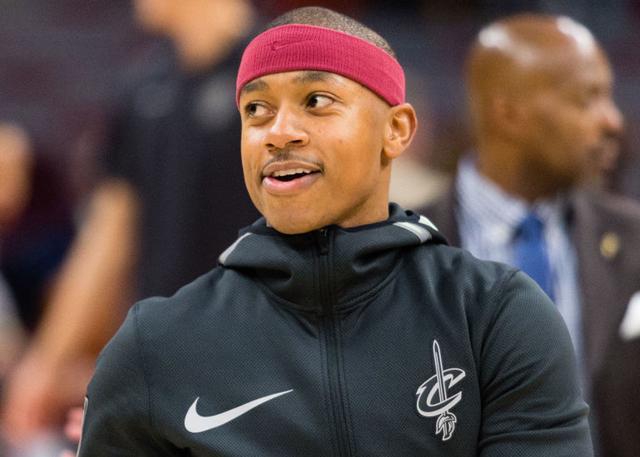
I’m considering the 2020-21 Hawks under Nate McMillan, who definitely reached the Eastern Conference Finals. There was an increase in Trae Young’s off-ball usage, which is interesting, but they still relied heavily on pick-and-roll plays. It’s fascinating to see how a coaching change can impact player roles and overall team performance. I think I’m looking at how adjustments can lead to such deep playoff runs, especially for a young team.Tracking Key Metrics
I’m planning to track various metrics to assess team changes. This includes pre and post-game windows of 10, 15, or 20 games, evaluating opponent-adjusted net ratings, and considering luck factors like three-point variance and clutch performance.
I want to monitor shot profile changes, player roles, and defensive schemes. There’s also the need to isolate effects by controlling for trades and injuries, utilizing regression models or difference-in-difference methods. I’m aware of the risks involved with late changes, but I also see when adjustments can work effectively, particularly when aligning with star players and addressing any scheme mismatches.Evaluating Your Team
I’m creating a practical checklist for evaluating a basketball team. I’ll focus on identifying 2-3 key constraints and mapping the coach's track record, all while setting a realistic baseline.
I plan to monitor the first 15 games for process metrics, and if things aren’t trending positively after the first 25 games, I may need to adjust my expectations. Mid-season, I should anticipate some volatility over 5-10 games and focus on process improvements rather than just raw wins, aiming for a top-12 net rating after 20 games to stay competitive.
核心结论
换帅影响路径(赛季内可观测)
时点差异
经验与案例(启发而非充分条件)
衡量方法(赛季内追踪)
何时更可能成功
风险与失败征兆
给到实操的观察清单(你的队)
需要把以上框架套到某支具体球队吗?告诉我队名与赛季时间点,我用这套指标给你生成一页式评估。
Copyright 2024 爱游戏首页 - 爱游戏APP官方下载入口 - IGAME All Rights by 爱游戏

 友情链接:
友情链接: